Spinal Fusion Surgery in Gurugram: Complete Guide to Treatment, Benefits, Recovery & Expert Care
Chronic back pain is one of the most common health problems affecting people of all age groups today. Whether caused by aging, injury, poor posture, or degenerative spine conditions, persistent spinal pain can limit mobility, reduce productivity, and significantly impact quality of life. When non-surgical treatments no longer provide relief, spinal fusion surgery becomes a trusted and effective solution for restoring spinal stability and reducing pain.
Patients searching for spinal fusion surgery in Gurugram now have access to advanced surgical techniques, modern hospitals, and experienced spine specialists who focus on long-term recovery and improved lifestyle outcomes.
Understanding Spinal Fusion Surgery
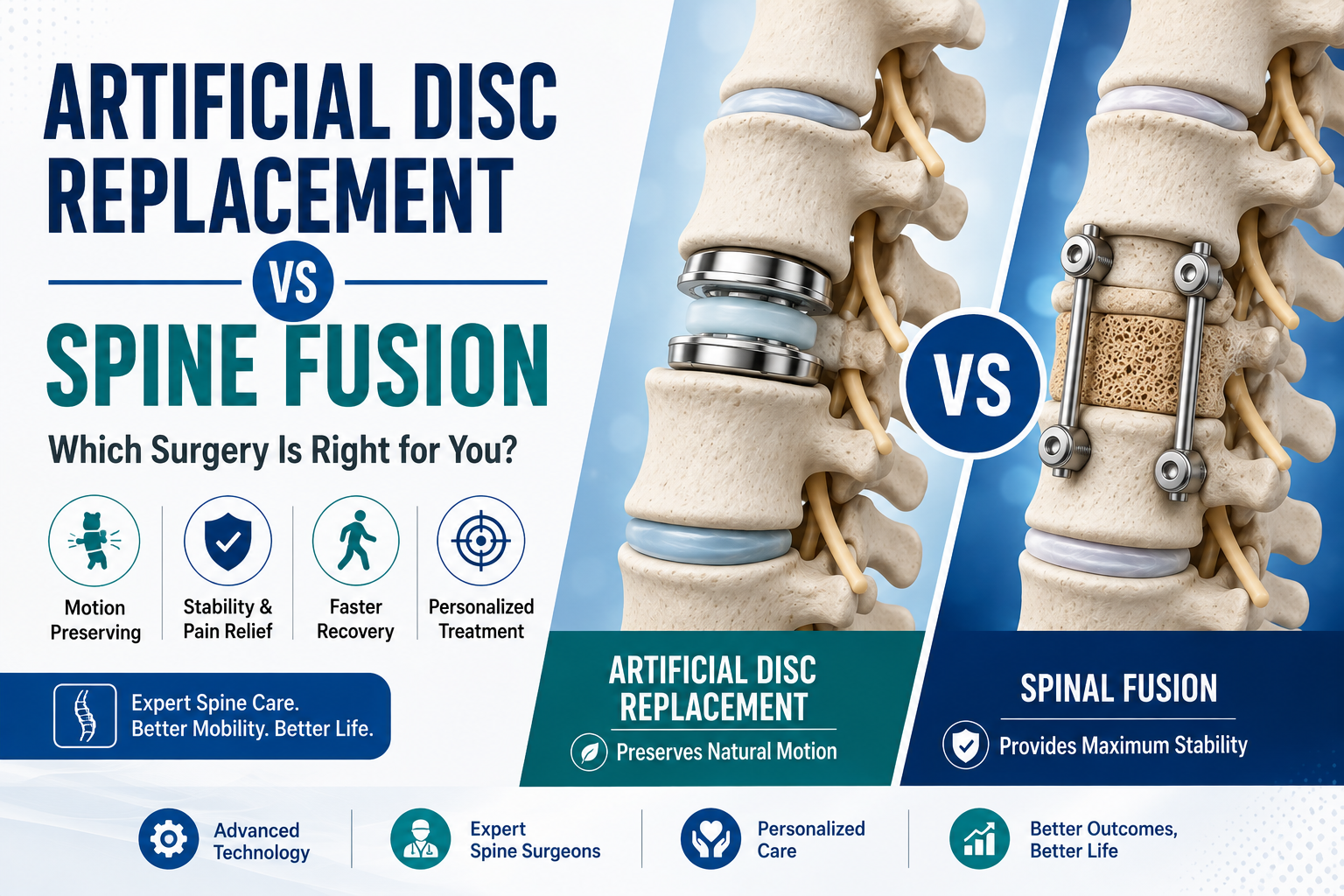
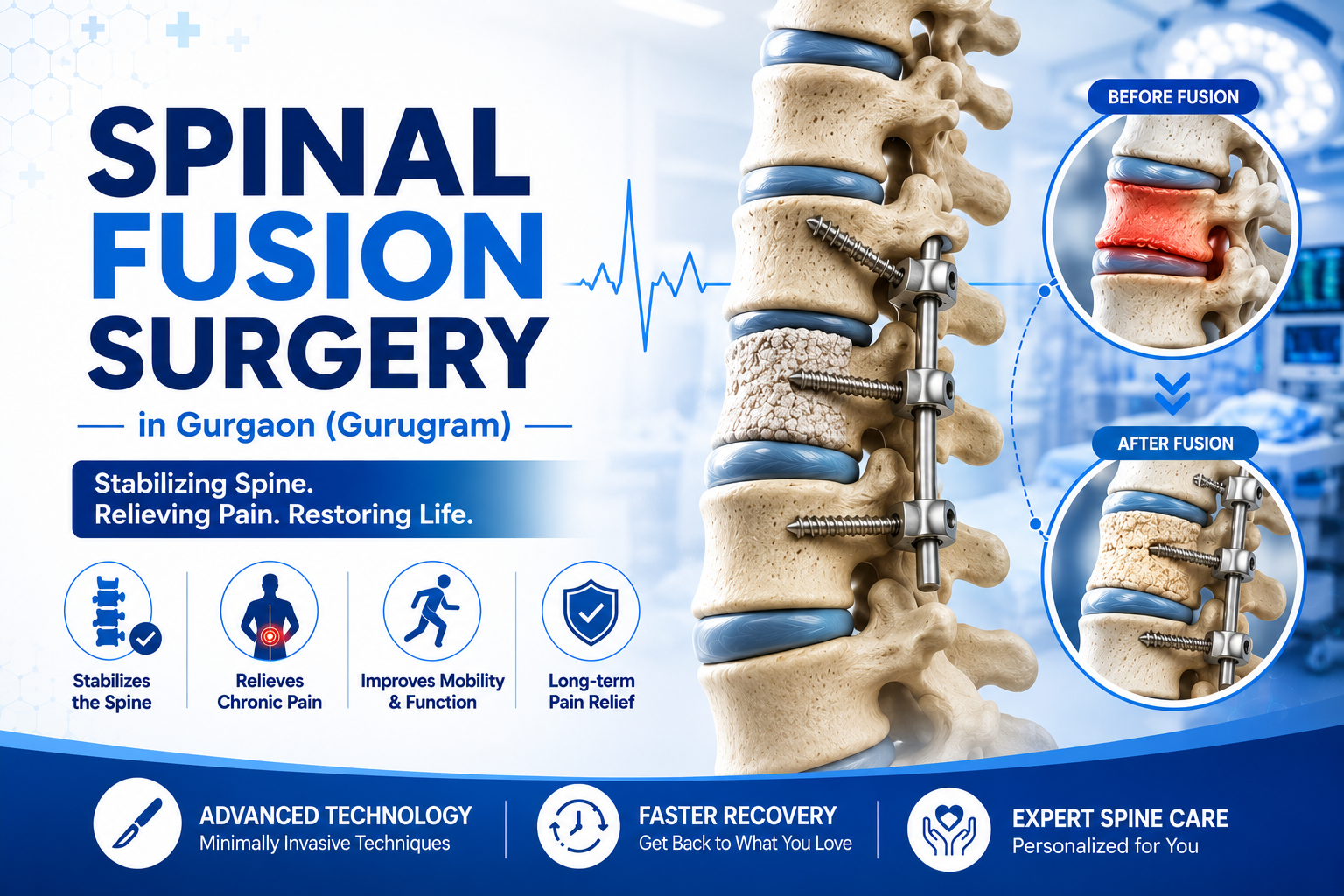
Spinal fusion surgery is a specialized orthopedic and neurosurgical procedure in which two or more vertebrae are permanently joined together to eliminate painful motion between spinal segments.
The spine is made up of small bones called vertebrae separated by discs that act as shock absorbers. When these discs or joints become damaged, movement between vertebrae can cause severe pain and nerve compression. Spinal fusion stabilizes this area by allowing the bones to heal into one solid structure.
Main Objective of Surgery
- Reduce pain caused by abnormal movement
- Stabilize weak or damaged spinal segments
- Protect compressed nerves
- Correct spinal deformities
- Improve overall function and posture
Conditions Treated with Spinal Fusion Surgery
Spinal fusion is not recommended for simple back pain alone. It is typically advised for patients with structural spinal problems confirmed through imaging tests like MRI or CT scans.
Common Conditions Include:
- Degenerative Disc Disease
With aging, spinal discs lose hydration and elasticity, leading to pain and instability.
Herniated or Slipped Disc
When disc material presses on nearby nerves, it causes pain, numbness, or weakness.
Spinal Stenosis
Narrowing of the spinal canal compresses nerves and leads to leg pain or difficulty walking.
Spondylolisthesis
A condition where one vertebra slips over another, causing instability.
Spinal Fractures or Trauma
Accidents or injuries may require fusion for structural support.
Scoliosis and Spinal Deformities
Fusion helps correct abnormal spinal curvature.
Spinal Fusion Surgery in Gurugram: Why Patients Prefer Advanced Care
Healthcare infrastructure in Gurugram has rapidly evolved, making it a preferred destination for spine treatments. Opting for spinal fusion surgery in Gurugram offers patients access to:
- Advanced imaging technology
- Minimally invasive surgical techniques
- High-precision implants
- Experienced spine surgeons
- Comprehensive rehabilitation programs
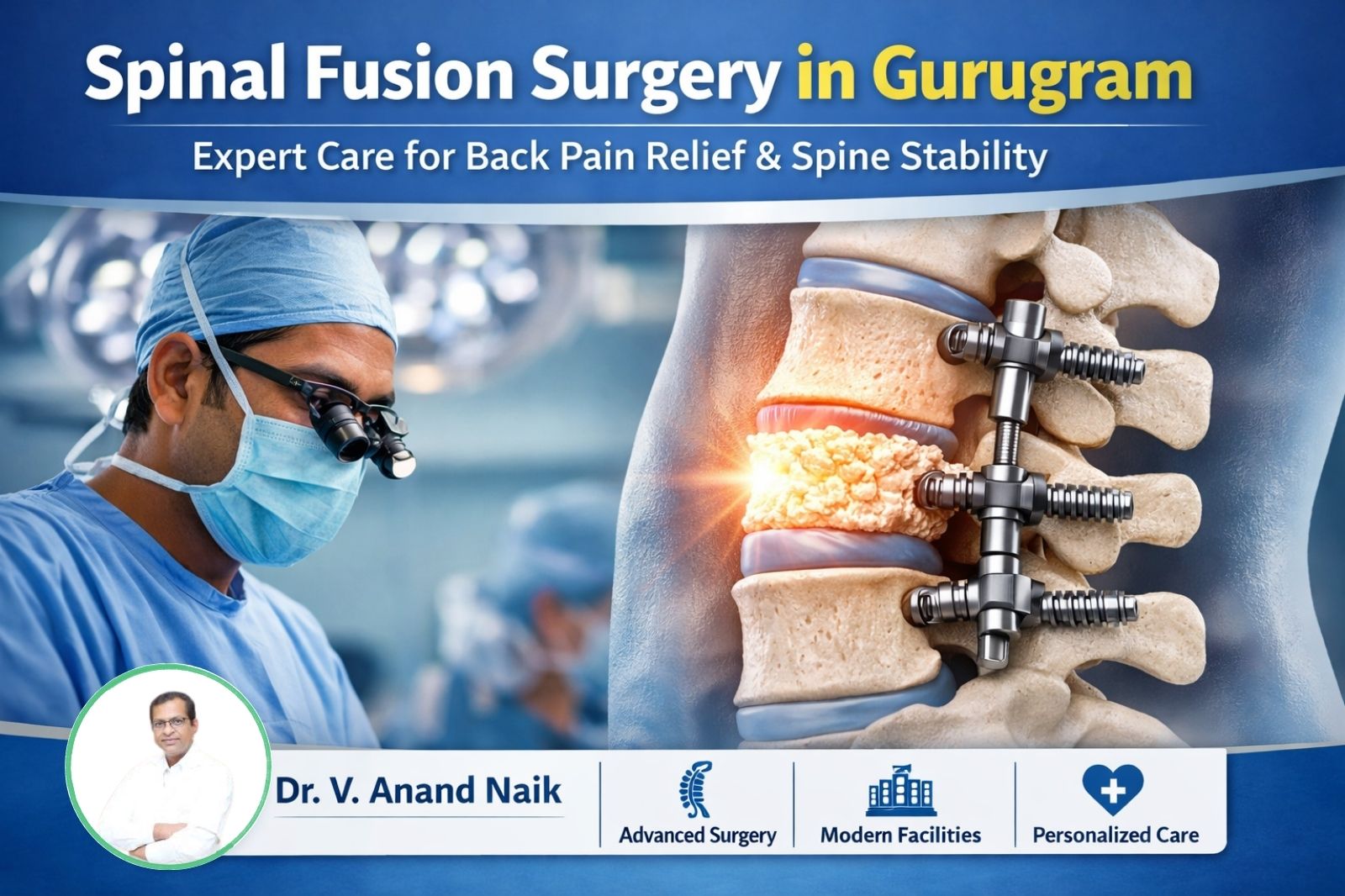
Renowned spine specialist Dr. V. Anand Naik is recognized for managing complex spinal disorders with a patient-centered and evidence-based approach, focusing on both pain relief and functional recovery.
Types of Spinal Fusion Surgery
Depending on the location and condition of the spine, surgeons may choose different surgical approaches.
Posterior Lumbar Fusion (PLIF)
Performed through the back of the spine to remove damaged discs and stabilize vertebrae.
Anterior Lumbar Fusion (ALIF)
Approach from the front of the body allows better access to discs.
Transforaminal Lumbar Fusion (TLIF)
A minimally invasive variation reducing muscle damage.
Cervical Fusion
Used for neck-related spinal problems.
The choice depends on patient anatomy, severity of condition, and surgeon expertise.
Step-by-Step Procedure of Spinal Fusion Surgery
Understanding the surgical process helps patients feel more confident before treatment.
Step 1: Pre-Surgical Evaluation
- Physical examination
- MRI/CT imaging
- Medical fitness assessment
Step 2: Anesthesia
General anesthesia ensures a painless procedure.
Step 3: Removal of Damaged Tissue
The problematic disc or bone causing nerve pressure is carefully removed.
Step 4: Bone Grafting
Bone graft material is placed between vertebrae to stimulate fusion.
Step 5: Implant Placement
Metal screws, rods, or cages stabilize the spine during healing.
Step 6: Fusion Healing
Over several months, bones grow together naturally.
Benefits of Spinal Fusion Surgery
Patients undergoing spinal fusion often experience transformative improvement.
Major Advantages:
- Long-term pain relief
- Improved mobility and posture
- Reduced nerve irritation
- Better walking ability
- Increased daily activity tolerance
- Enhanced quality of life
Modern minimally invasive techniques also mean less tissue damage and quicker recovery.
Minimally Invasive Spinal Fusion: A Modern Advancement
Many cases today use minimally invasive surgery (MIS), which involves smaller incisions and advanced imaging guidance.
Benefits Include:
- Less muscle injury
- Reduced blood loss
- Shorter hospital stay
- Faster return to work
- Lower infection risk
Experienced surgeons like Dr. V. Anand Naik carefully evaluate whether minimally invasive fusion is suitable for each patient.
Recovery After Spinal Fusion Surgery
Recovery is gradual but highly rewarding when rehabilitation guidelines are followed.
Immediate Recovery
- Walking begins within 24–48 hours
- Pain managed with medications
- Hospital stay usually 2–4 days
First 6 Weeks
- Light activities allowed
- Avoid bending or lifting heavy weight
3–6 Months
- Bone fusion strengthens
- Physiotherapy improves flexibility and strength
Long-Term Recovery
Most patients resume normal life with significantly reduced pain.
Role of Physiotherapy After Surgery
Rehabilitation is essential for successful outcomes.
Physiotherapy helps:
- Strengthen back muscles
- Improve posture
- Restore flexibility
- Prevent future spine issues
A structured recovery program greatly improves surgical success rates.
Risks and Complications (Rare but Important)
Although spinal fusion is generally safe, potential risks include:
- Infection
- Blood clots
- Nerve irritation
- Non-union of bone (rare)
- Temporary stiffness
Choosing an experienced spine surgeon significantly minimizes these risks.
Who Should Consider Spinal Fusion Surgery?
You may benefit from surgery if:
- Pain persists for more than 6 months
- Conservative treatments fail
- Nerve symptoms worsen
- Imaging confirms spinal instability
- Daily activities become difficult
Consultation with a spine expert like Dr. V. Anand Naik helps determine the best individualized treatment approach.
Life After Spinal Fusion Surgery
Many patients worry about mobility after fusion. While the fused segment no longer moves, surrounding joints compensate effectively.
Most patients can:
- Walk comfortably
- Travel normally
- Return to work
- Perform daily activities pain-free
- Enjoy improved lifestyle quality
Maintaining healthy posture and regular exercise ensures long-term spine health.
Why Choose Spinal Fusion Surgery in Gurugram?
Gurugram combines modern healthcare technology with skilled medical professionals, making it an ideal destination for advanced spine procedures.
Patients benefit from:
- World-class hospitals
- Experienced specialists
- Personalized treatment plans
- Faster recovery programs
- Comprehensive follow-up care
Conclusion
If you are experiencing persistent back pain, nerve compression symptoms, or spinal instability that is affecting your daily life, it may be time to seek expert medical advice. Early consultation with a spine specialist helps in accurate diagnosis and prevents further complications.
Patients looking for spinal fusion surgery in Gurugram can benefit from advanced evaluation, modern diagnostic techniques, and personalized treatment planning under the guidance of an experienced spine surgeon.
Dr. V. Anand Naik, a highly skilled spine specialist, focuses on patient-centered care, precise diagnosis, and advanced surgical solutions designed to restore mobility and reduce long-term pain. With extensive experience in managing complex spinal conditions, he ensures that every patient receives a customized treatment approach based on their condition and lifestyle needs.